I.The Problem No One Reports
In day-to-day clinical practice, one problem quietly but consistently weakens the effectiveness of herbal medicine: inconsistent raw drugs. Patients rarely notice it. Practitioners experience its consequences directly, when a classical formulation fails to deliver its result, disturbing the very principles of Chikitsa siddhanta.
Ayurveda relies heavily on plant-based raw materials, but unlike synthetic medications, their active constituents differ from sample to sample. With India consuming more than 195,000 tonnes a year, rising global demand has put enormous strain on wild resources, driving adulteration and substitution. As a result, the quality and potency of many herbs are now inconsistent, endangering the validity of Ayurveda itself.
II.Natural Variation in Medicinal Plants
Geographical variation · देश दोष
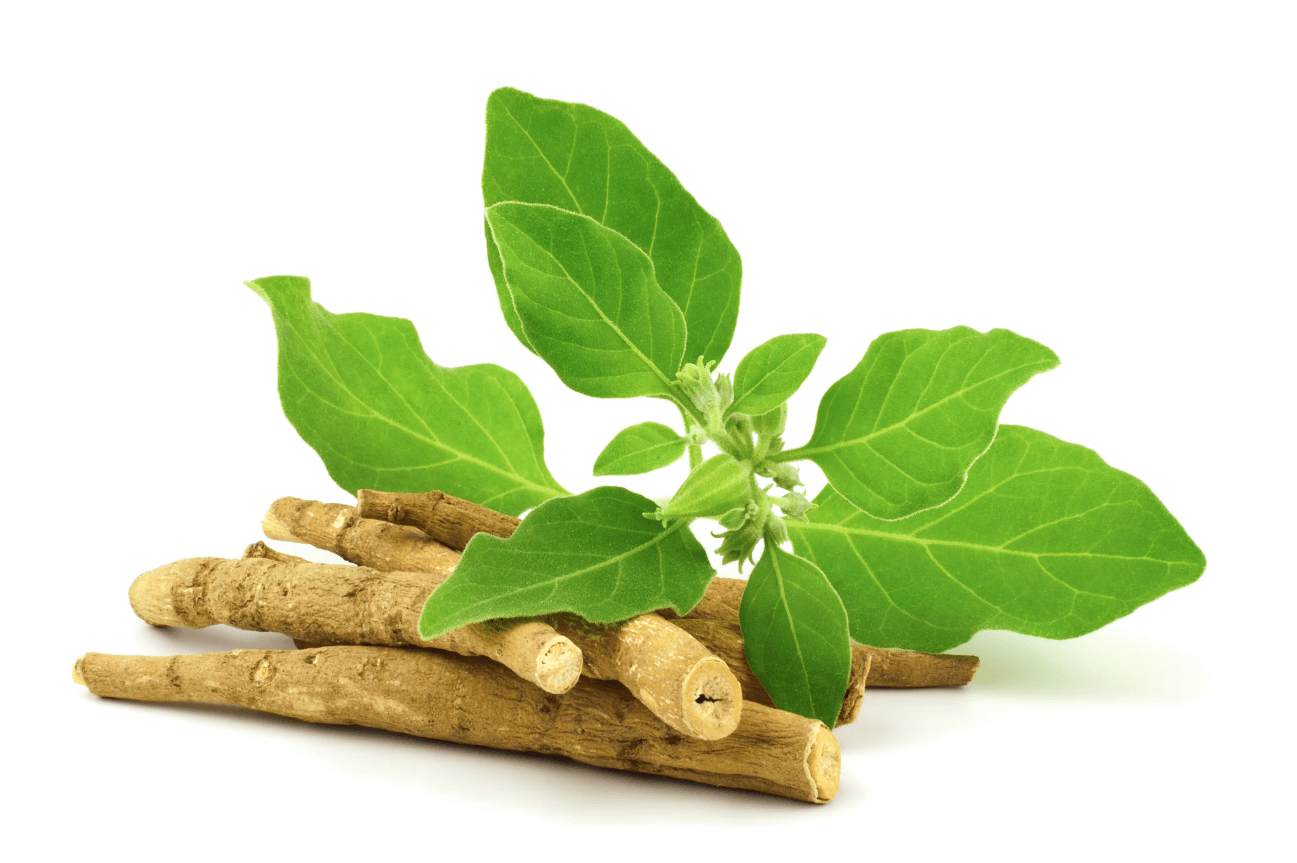
Genetics, soil, climate, altitude, plant age and the part used all affect the chemistry of a drug. Controlled studies on Ashwagandha (Withania somnifera) found that roots collected in different seasons carried different alkaloid and phenolic levels. The same dravya collected from different regions varies in potency because desha directly influences rasa, guna, veerya and vipaka. Charaka states that a drug collected from the proper desha is balavat, which also means a drug collected from unsuitable regions may become alpa-virya or viparita guna pradarshaka.
Improper collection & storage · काल–संग्रहण दोष
Simple factors, harvesting in the wrong season, or using leaves instead of roots, can yield a much weaker or even unrecognisable raw drug. When drugs are collected in the improper ritu, at an improper maturity stage, or from the wrong plant part, there is reduction in veerya and prabhava. The Shastras insist on kala-yukta sangrahana to ensure full therapeutic strength. Ignoring this certainly causes guna hani.
III.Overharvesting & Supply Pressure
The issue continues to grow worse after years of unsustainable wild harvesting. Roughly 93% of important medicinal species are now considered threatened, because nearly 95% of Ayurvedic herbs are still harvested from the wild, frequently by destructive uprooting. DNA studies reveal that 31% of Indian market samples are misidentified, making adulteration a constant threat to quality, safety and therapeutic reliability as supplies diminish.
“If a Vaidya sings the song correctly, but the instrument, the raw drug, is out of tune, the music fails.”
IV.Adulteration of Raw Herbs · प्रतिनिधि अशुद्ध द्रव्य
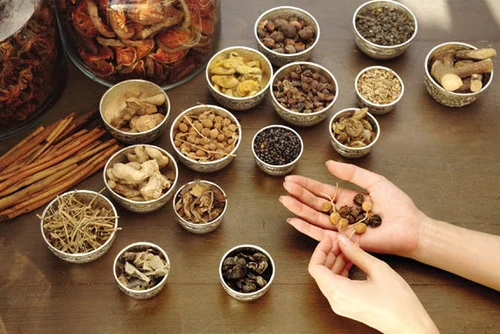
Adulteration takes many forms: substitution with cheaper look-alikes, dilution with inert fillers, or the blending of different species, all of which reduce efficacy. Under market shortage or cost pressure, one drug is replaced with another that merely looks similar but lacks the same guna, veerya, vipaka and karma. Ayurveda permits pratinidhi dravya (substitutes) only under specific conditions; uncontrolled substitution instead produces dravya ashuddhi, altered or entirely absent therapeutic action.
Most importantly, this is a global issue. A landmark DNA analysis of thousands of commercial herbal products found that approximately 27% were adulterated relative to their labels. Adulteration rates vary by region, but no market is immune.
V.The Absence of Testing · द्रव्यपरीक्षाभाव
These discrepancies create real clinical problems. Dosing becomes haphazard when raw-material potency varies and the same formulation may work one time and fail the next. The absence of proper dravya lakshana and pariksha at the raw-drug level means drugs enter formulations without any confirmation of identity, purity, or potency.
tasyāpīyaṃ parīkṣā, idam evaṃ-prakṛtyā evaṅ-guṇam evaṃ-prabhāvam asmin deśe jātam asminn ṛtāv evaṃ gṛhītam evaṃ nihitam evam upaskṛtam anayā ca mātrayā yuktam asmin vyādhāv evaṃ-vidhasya puruṣasya...
The fitness of a drug is established only by examining its nature, qualities and potency; the region and season it was gathered in; how it was collected, stored and processed; the dose; the disease; and the constitution of the patient. Only then is it vishesha-yukta bhaishajya, a truly fit medicine.
When this examination is skipped, remedies may carry unreported substances or be devoid of active compounds, risking adverse effects or outright therapeutic failure. Even as demand rises, this unpredictability subtly erodes Ayurveda's credibility, undermining centuries of traditional knowledge and patient trust.
VI.Addressing the Crisis
The Practitioner's View
Dravya Pariksha is the systematic evaluation of a drug across its prakṛti, guṇa, prabhava, desha, kala, method of grahana (collection), nihita (storage), samskara (processing), matra (dose), the nature of the vyadhi, the type of purusha (patient) and the state of dosha. A drug is vishesha-yukta bhaishajya only when, after assessing all of these, it is capable of dosha-apakarshana (elimination) or dosha-upashamana (pacification) in a particular disease and patient. Ayurveda emphasises pariksha before prayoga, because without it, chikitsa becomes avyavasthita, unsystematic and unpredictable.
The Phytochemist's View
From a phytochemistry and omics perspective, medicinal plants are dynamic biochemical systems whose therapeutic identity emerges from genomics, metabolomics and ecological interactions, not taxonomy alone. The Ayurvedic community must acknowledge that raw herbal medicines are not all the same. Years of overharvesting, environmental change and lax quality control have made the potency of many market herbs erratic and unpredictable.
Current production systems lack genomic authentication, chemotype selection, harvest-stage optimisation and metabolomic standardisation, making raw drugs chemically stochastic. Without integrating omics-guided cultivation, ecological regeneration and production-level phytochemical control, herbal medicine will continue to suffer therapeutic inconsistency despite correct formulations.
This is the entire reason MediKrop grows what it sells. When the raw drug is verified, by species, region, season, part and stage, the formulation can finally be trusted to do what the text always said it would.